Exploring how control interfaces shape our digital experiences.
We examine the details of user interaction. Our focus is on how different control schemes influence perception and engagement. This is a space for thoughtful analysis.

We examine the details of user interaction. Our focus is on how different control schemes influence perception and engagement. This is a space for thoughtful analysis.
We analyze the technical and practical aspects of control responsiveness. This includes examining the limitations of the touchscreen for certain genres and the established dominance of mouse and keyboard in action games where millisecond reactions matter.
This section is dedicated to control comfort and immersion. We discuss ergonomics, learning curves, and how natural an interface feels during extended use, which is a cornerstone of good UX in game controls.
We explore the role of physical feedback. The discussion around tactile feedback and immersion is key here, understanding how haptic responses (or their absence) can deepen or diminish a sense of connection with the content.
No control scheme is perfect for every situation. We look at how games and applications adapt their interfaces for different platforms, and how users adapt their expectations between a portable smartphone vs. PC controls environment.

NIKO TURYSTYKA is a dedicated blog that investigates the human-machine interface in interactive digital environments. Our primary focus is on comparative analysis between major control paradigms, specifically the tactile nature of touchscreens and the physical precision of mouse and keyboard setups. We delve into the core principles of UX in game controls, examining how design dictates the flow of interaction. We are fascinated by the subtle ways control responsiveness can alter a user's strategic approach or emotional response. Our content is built on observation and detailed examination of existing systems.
We write for enthusiasts, designers, and curious users who think about the "how" just as much as the "what." By breaking down the mechanics of interaction, we aim to shed light on that critical layer—the controls—that translates user intent into digital action. Understanding the limitations of the touchscreen or the nuances of control precision in PC games helps in appreciating the craft behind the experiences we engage with daily. We believe that a deeper awareness of these tools enhances our overall digital literacy and enjoyment.

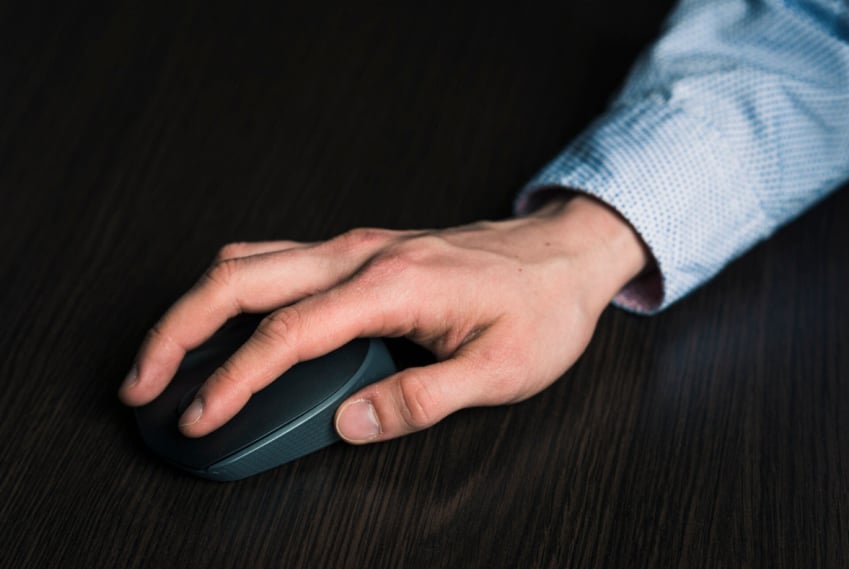
An exploration of the technical and human factors that make the mouse and keyboard combination the enduring standard for accuracy in digital environments.
Examining how game design adapts to the intimate yet imprecise nature of interacting directly with a screen, redefining immersion on mobile platforms.
A comparative look at how control paradigms dictate game design, user expectations, and the overall experience across dominant gaming platforms.
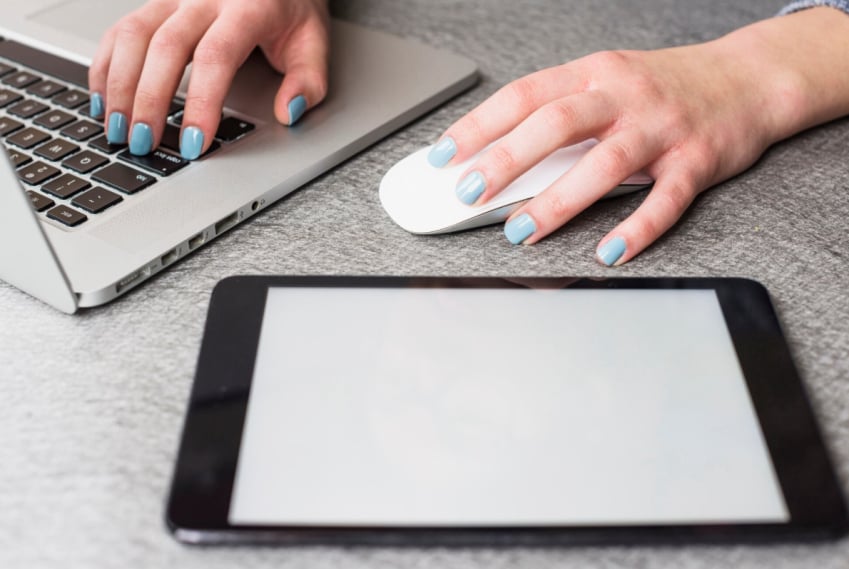
Exploring the often-overlooked role of physical sensation in deepening our connection to digital worlds, from mechanical clicks to advanced haptics.
Hello, I'm Alex Costa, the founder and main voice behind NIKO TURYSTYKA. Based in Rio de Janeiro, I started this project from a simple, persistent curiosity about why certain digital experiences feel seamless while others feel like a constant struggle against the interface. My background isn't in finance or promises of profit; it's in user experience observation and a lifelong passion for understanding the tools we use. This blog is my platform to explore and share those insights, focusing purely on the mechanics of interaction without commercial bias.
At NIKO TURYSTYKA, we operate under the belief that the control scheme is a silent narrator of your digital experience. We avoid absolute statements like "best" or "guaranteed," as our goal is analysis, not promotion. We write thoughtfully about how controls affect experience, from the tactile feedback and immersion on a mobile device to the established feel of a mouse and keyboard. If you've ever wondered about the trade-offs between control comfort and immersion on different platforms, you might find a kindred spirit here. Welcome to the conversation.
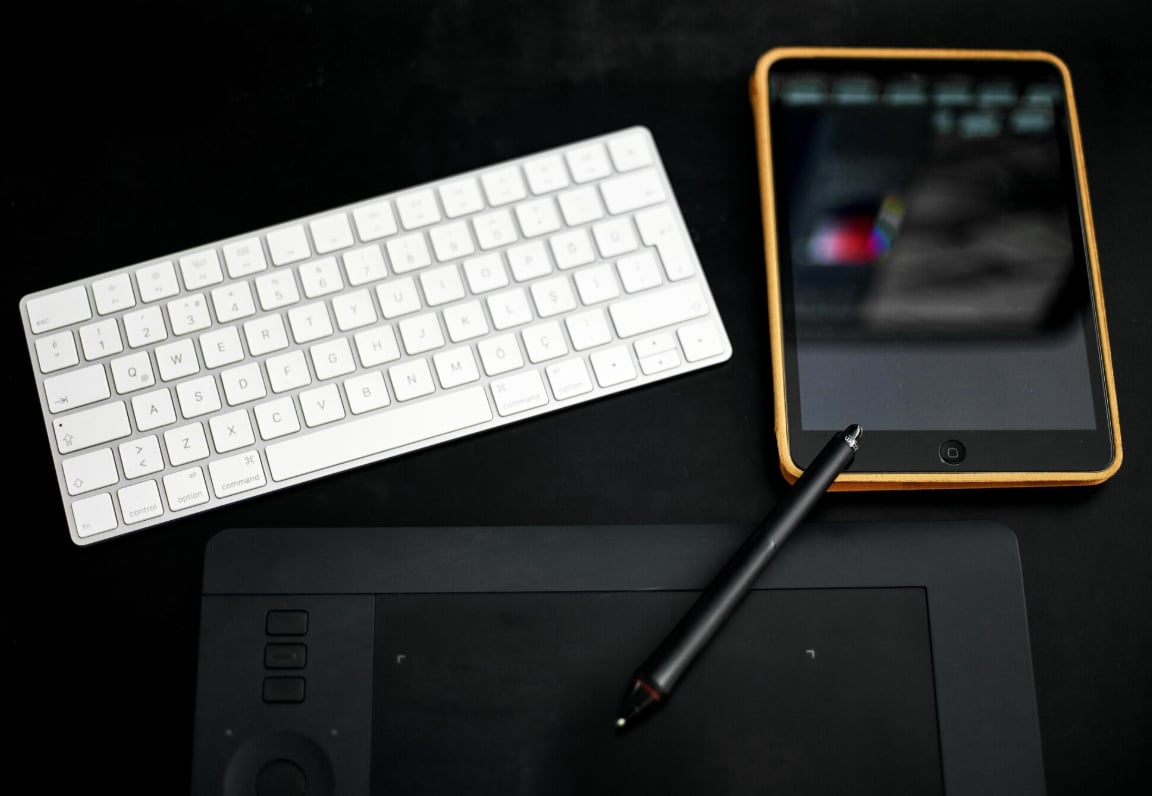
Not always. It heavily depends on the genre. Mouse and keyboard in action games or complex strategies offer superior control precision. However, for many puzzle, casual, or turn-based games designed for mobility, touch controls can offer a more direct and intuitive UX in game controls. The "better" tool is defined by the task and context.
Given current mainstream technology, there are inherent limitations of the touchscreen for pixel-perfect precision. The lack of physical separation between the pointing device (your finger) and the display, along with occlusion and the nature of capacitive touch, makes the fine, absolute positioning of a mouse difficult to replicate.
Tactile feedback and immersion are closely linked for many users. Physical buttons provide confirmatory clicks and travel, while advanced haptics in screens can simulate textures. This sensory layer can significantly enhance the sense of connection and make virtual interactions feel more tangible and responsive.
Control comfort and immersion stem from ergonomics, logical layout, predictability, and consistency. Controls feel comfortable when they become an extension of your intent, requiring minimal conscious effort. Intuition is often achieved when the control scheme matches the user's mental model of the action they want to perform.
Controls are the primary conduit for your agency within a digital space. How controls affect experience is fundamental; a sluggish, imprecise, or awkward interface creates a barrier between you and the content, breaking immersion and causing frustration. A responsive, well-mapped control scheme feels transparent, allowing you to focus on the experience itself.